Speaking Opportunity? No Problemo. How to Slay Your Next Panel 

If you want news coverage, either do something or say something interesting. A panel allows you to say something that could make headlines even if it’s just a headline in a LinkedIn post.

Panel events have exploded in popularity since things opened up after the pandemic. They offer huge benefits. Things participants say can be quite newsworthy and this garners attention. 

On any given day I have the opportunity to attend at least one panel. On some days, I can pick from five or more. Right now Open Compute OCP in San Jose is happening and I was offered a free pass. I’m thinking about it. A conference like that offers one panel after the next with the biggest name in B2B tech and the consumer industry. OCP focuses on sustainability.

Now panels are mostly in-person. By the way, if you want to be a speaker at an upcoming conference, take a look at the schedule six months in advance and look for the speaker forms online. Hire a PR pro to help keep track of it all and say something catchy and timely in the form. 

I once did a freelance gig that was literally all speaker opportunities and award nominations. 

My Panel at Northeastern U. 
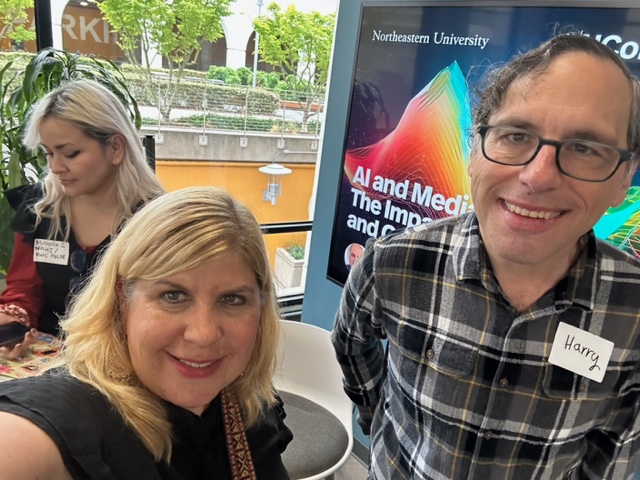
I was a panelist at Northeastern University in San Jose recently and it was fun. You’re inviting me to talk with a microphone? Yes, please. Flashback to Mr. Microphone commercials, “I’m on the radio, I love it!”  The topic was the impact of generative AI on journalism and PR. I typically say, “No” to panel invitations which I’ve been getting regularly for more than a decade but the recent one was on a Saturday, so I finally said, “Yes.” When you do PR you have to drop everything when news needs to go out. Saturday works better for me.

Here are tips that worked for me that will help you slay your next panel:

  1. Be Yourself – I was nervous early on preparing with a bit of imposter syndrome. They would ask me about artificial intelligence, a technical topic. Shouldn’t a scientist or engineer do this? But then I thought, they are asking about my area of expertise. AI in public relations specifically. Once I had that epiphany I felt better moving forward. AI is used widely in public relations, e.g. by companies like Meltwater, MuckRack and Cision. Startups are using it to write press releases. That and I attend a lot of talks and lectures by STEM PhDs, ask a lot of questions and take copious notes. Go ahead and ask me when machines will be as smart as humans. I can answer that based on something a neural network scientist said to me. I can also drone on about the topic. I said “drone’” That’s AI humor.
  2. Do Your Homework on the Other Panelists Look at the panelists LinkedIn profiles or university scholar pages. Read one story or online comment by each of them. Study their organizations a bit and learn their biases. This will help you better converse with them and not say something you regret later. Realize that one will be swapped out a day prior due to illness or whatever. Arrive at the event early and research the newly added folks. Introduce yourself. My newly added panelist moderator had three degrees from MIT. I asked him a bunch of questions and learned we both worked at IBM. 
  3. Add Value – I needed an interesting point to make, one that I invented. I came up with a zinger while researching the other panelists which included Fast Company’s Harry McKracken and the founder of the Redwood City Pulse, Michelle Iracheta. I mentioned to her that ChatGPT doesn’t recognize information newer than Sept. 2021. And this is a huge shortcoming! I confirmed that her news site was founded in October 2021. We had an epiphany that ChatGPT’s huge limitation wouldn’t even recognize her media outlet that was a full two years old. We said that during the panel. That added value.

Here’s a tip for women. Say, “yes” to a panel invitation even if you think you are too junior or shy. The trend is that more men are readily saying, “Yes.” And yes, I regret saying, no, all of these years. We need more women panels. Better yet, how about an all-women panel? I heard only women speakers the other day at Hacker Dojo. They were all female roboticists. 

###

Michelle McIntyre is an award-winning Silicon Valley tech PR consultant. She is the head of editorial content for PRSA Silicon Valley. Sign up for the PRSA SV 2023 Media Predicts panel event on Dec. 6, 2023, at this linkPhotos: Me and Northeastern GenAI panel audience members and event coordinators in photo 1. Me and Harry McCracken in photo 2.

Journalists Caution When Using GenAI to Write, Beware of Dullness

By Michelle McIntyre

A panel of business journalists gathered at Microsoft in Mountain View, Calif., last night as part of a San Francisco Press Club event to discuss how generative AI has affected their jobs.

One participant, Michael Nuñez of VentureBeat made bold predictions. He’s an advocate of using GenAI regularly at work. The other participants seemed to have more of a ‘proceed with caution’ attitude.

Nuñez predicted that Generative AI will be bigger than Google. 

He went even bolder saying that GenAI is as big as the smartphone.

On top of that he quipped, “In one year AI will have touched every aspect of the journalism process.” Yes, he used the word, “every.” 

Nuñez went into detail about how he uses AI as sort of a smart intern to do some research and writing to save him and his team time. He and the others agreed that it’s important to edit and fact check all AI work. 

They also agreed that prose could be biased.

Although most of their newsroom teams were using generative artificial intelligence (AI) in some way and already had guidelines for its use, none thought that AI would replace them in their jobs in the next five years.

In addition to Nuñez, the journalist panelists were Mr. Boone Ashworth of WIRED, Krystal Hu of Reuters, Julie Jammot of Agence Free Press, Mr. Chris Matyszczyk contributor to CNET and ZDNet, Ben Pimentel of San Francisco Examiner, and Jon Swartz of Marketwatch. Rachel Metz, now with Bloomberg, moderated.

100 Million Downloads in Two Months

It was nice to walk into the event with the Reuters group, by chance, since we arrived at the same time. What a beautiful campus by the way. I was happy to get to know Krystal Hu a bit since I had been frequently quoting data from her GenAI story several times recently in business conversations.

Hu had written that ChatGPT, the most popular flavor of GenAI, had the fastest growing user base of any consumer app. It achieved 100 million downloads in two months. This is faster than both Netflix and TikTok. 

Have a ‘Wild West’ mentality when using GenAI

Panelists advised the audience to keep in mind that AI could produce misinformation, and it is helpful to have an AI-use company guidelines.

Jon Swartz said you have to deal with GenAI with a ‘Wild West’ mentality because it’s something new. 

He added that he likes talking to other humans in the newsroom to brainstorm clever phrases. He said, AI can’t do this. 

AI Needs to Lighten Up

My thoughts mirror Swartz’s. We’re in Wild West territory. I  asked Bing chat to write me a biography and it was good but not special. It referenced five sources, but it didn’t have that special pizazz or flare. 

Like I might write, “Michelle likes tossing tennis balls to her big dog, Ringo.” If Bing were clever and funny, it would have added that to my bio. However, I was impressed that Bing spelled out the word “veteran.” It said, “McIntyre is an IBM veteran.” That’s more proper than “vet.” I always write, “vet.” 

Why Delegate Something that’s Fun to Do?

AFP’s Julie Jammot said that she’d never want AI to replace the main writing that she does, calling that task fun. She said that the problem with AI writing is that the language is too uniform. 

Got Misinformation?

Columnist Chris Matyszczyk offered clever quips summarizing his attitude which was that AI is sort of badly useful. He mentioned misinformation a few times, and others readily agreed with his points. 

Boone Ashworth said that WIRED did a good job at laying out their use of AI guidelines. Most of the others on the panel said their newsrooms have guidelines as well.  Ashworth seemed the most chill about using AI. For example, he said, it can be useful if you need to ask AI for a recipe of what dish to make as a meal.

Attribute or Don’t Attribute? That is the Question.

There was disagreement about whether or not a story needs to have AI attribution. That means putting, “Written by AI.” Most said it’s essential that AI be mentioned in attribution for many reasons. Nunez disagreed saying, it is just a tool. You wouldn’t note that Adobe Photoshop was used to make an image.

Krystal Hu from Reuters smartly brought up the infamous “stop progress letter.” She said, “The smartest minds are ringing the alarm on AI.” Ben Pimentel added that a pause in advancement is not practical, but it is good that the letter generated conversation.

The president of San Francisco Press Club, Curtis Sparrer of Bospar, introduced the panelists and Microsoft executives served as gracious hosts with warm welcomes, intelligent remarks and a nice food and beverage spread. 

###

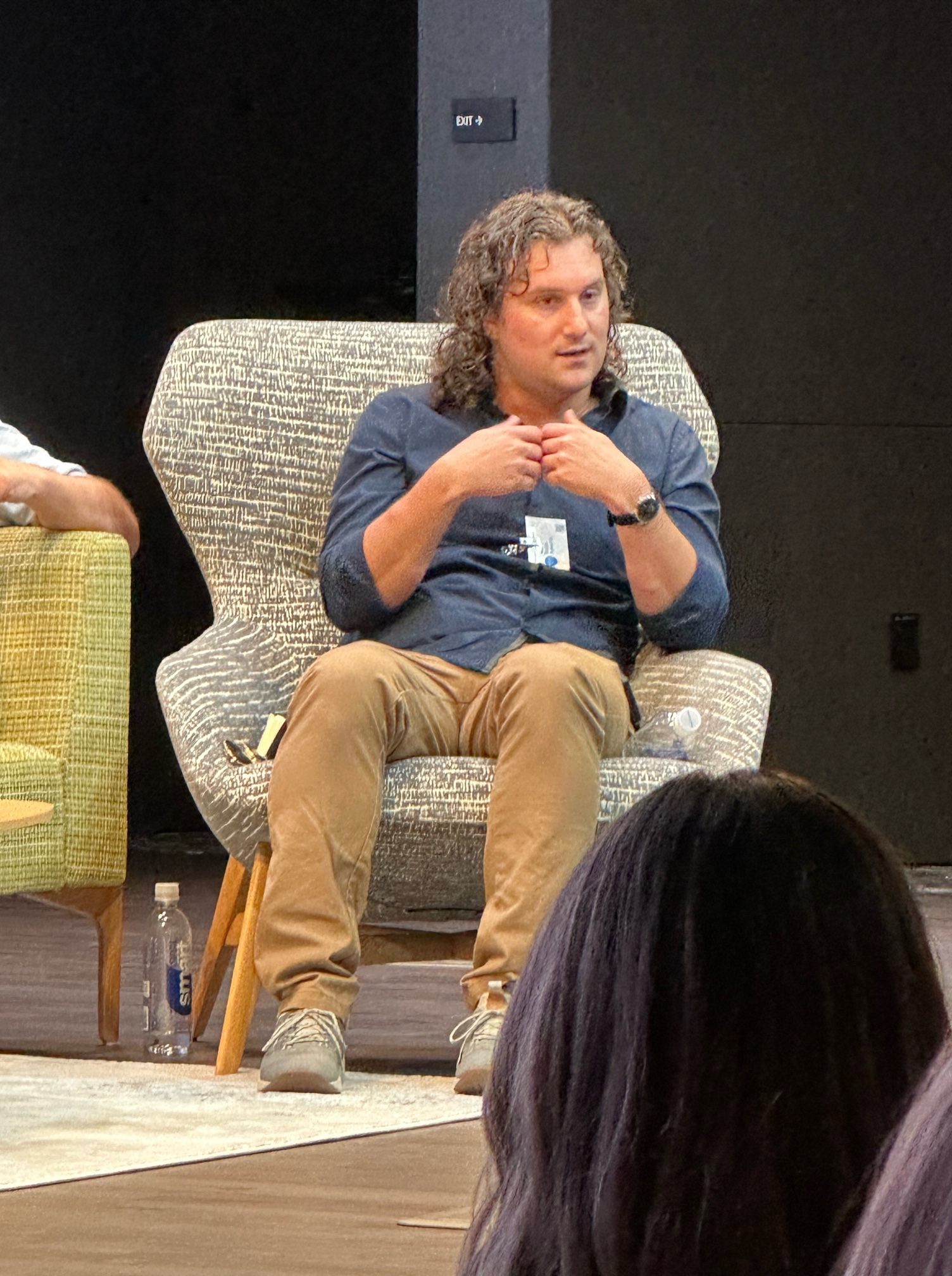
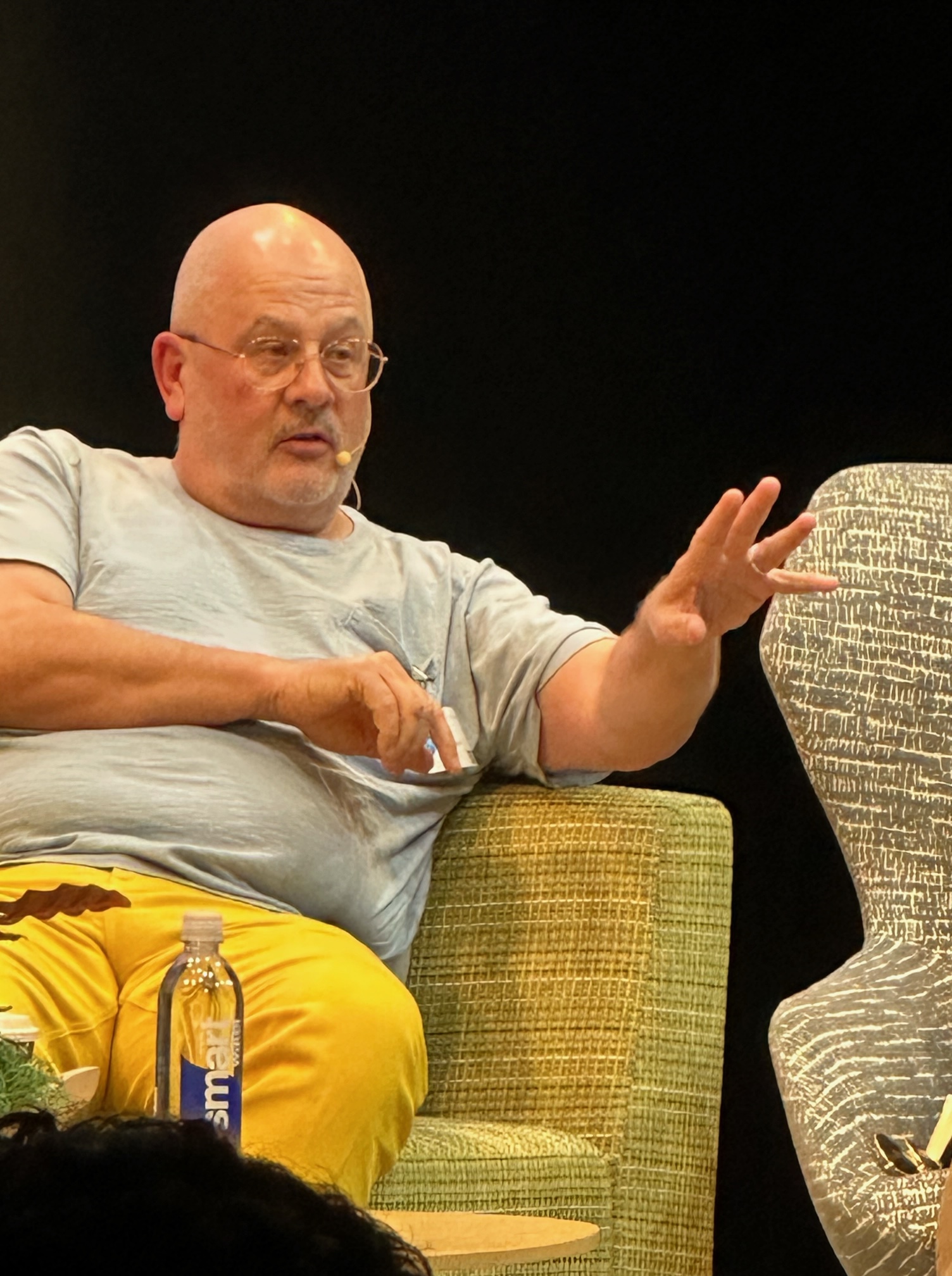
Michelle McIntyre is a Silicon Valley public relations consultant, IBM veteran, and head of editorial content for PRSA SV. She’s a ranked future of work influencer who likes to play fetch with her big dog Ringo. Photo descriptions: 1) Entire panel with ‘AI’ on the screen in the back. Credit: San Francisco Press Club 2) Curtis of Bospar with a microphone 3) Jon of Marketwatch and Julie of AFP, the side of Rachel’s face 4) Boone of WIRED with the navy shirt 5) Chris with a gray t-shirt 6) Ben of SF Examiner with the green shirt
Photos 2-6 were taken by Michelle McIntyre with her new iPhone 14 Pro. Watch the entire panel discussion by visiting this link.

3 Reasons Why Queen Elizabeth’s Passing Matters to the World

I have fond memories of seeing the Britain’s Royal Family including Queen Elizabeth on Edinburgh’s Royal Mile in July of 2012, a decade ago while on vacation with my husband. We happened to be there when Prince William was being inducted into the Order of the Thistle for his 30th birthday. 

Credit: Wikimedia Commons, Queen Elizabeth II in 2015

As you may have seen from the BBC news report, the Queen, 96, passed today at Balmoral Castle near Aberdeen, Scotland. There were rumors that she may have suffered a stroke. May she rest in peace and yes, it does make me a bit sad. She ruled as the Queen literally my entire life.

As a publicist, I had to think hard about how this will affect my clients and publicity outreach during the next week or so. Instead of sending several notes, I decided to write this. 

Several reporters will care about this a lot, and when it comes to the news airwaves and in particular broadcast and ‘major media’ this story and related news will take up a lot of space. Recall that 2.5 billion people watched Princess Diana’s funeral. That’s up there with World Cup soccer viewership which was around 3.5 billion in 2018.

Here are three ways the passing of the Queen of England will affect business dealings in the next few weeks:

  1. The Monarchy, while admittedly a tad antiquated, has an influence over many world decisions and happenings. Whether you like it or not, the Queen’s viewpoint and charity choices mattered. Recall the time she used a Cisco WebEx (not a Zoom) to communicate to promote safe social distancing during Covid. 
  2. A change in power, whether it’s an elected government or ‘royal’ affects markets. Stocks may be affected by this. When Charles is declared ‘King Charles III’ which may have happened already, I’m curious how markets will react.
  3. The Royal Family, especially Prince William and Princess Kate and their adorable children are ‘bellwethers of happiness’ to much of the world. Despite the cost of castle upkeep and governments budgets being tight, many eyes globally enjoy reading about the family regularly: When there is good news, it makes them happy. Royal weddings are some of the most watched and beloved events worldwide. Marriages and grandkids make people happy and give them hope for the world. A death of this magnitude may make many millions sad. 

My public relations advice to you is to be aware of the Queen’s passing, be sensitive when reaching out to others, because it’s upsetting news to many, and expect it to have an effect on some business dealings and markets.

###

Michelle McIntyre is a Silicon Valley-based technology publicist and IBM vet. @FromMichelle on Twitter. Photo credit: Wikimedia Commons, Queen Elizabeth II in 2015.

3 Tips on Pitching Podcasts for the Second Half of 2022

During the pandemic, podcasting experienced stunning growth, and podcast audiences diversified. According to Business of Apps, more Americans listen to podcasts than have Netflix accounts. The Wall Street Journal reported yesterday that SiriusXM bought Conan O’Brien’s podcast network for an estimated $150 Million.

Every major media outlet seems to have them; some like Adweek are launching podcast networks; and many companies wants their executives on as guests.

Here are some tips on helping podcast producers find guests

  1. Consider a podcast sponsorships budget. Think six months ahead with podcasts. Ask your client or CEO if they want to set aside some budget to sponsor a podcast or a few of them. CXChronicles is a top 10 customer experience podcast. The last time I spoke with the host, he said that he required a quality, timely guest and a few hundred dollars to promote it.
  2. Listen to at least 10 minutes of a podcast before reaching out to the host. It’s way easier to place a client on a show after you listened to it. You can hear the person’s tone and personality: Would it click or clash with your spokesperson’s? Better yet, listen to a couple of full episodes. Let it play in the background while you work.
  3. Know which ones don’t interview guests. Be careful about pitching using an expert’s biography when the podcast is two journalists bantering about news and trends. One example is Mike Malone and Scott Budman’s The Silicon Insider podcast. I know Malone from a volunteer gig. It’s an awesome podcast by the way. It focuses on what’s super timely at that moment.

As an aside, it’s wise to always read or listen to a media outlet before you get in touch with its editor.

###

Michelle McIntyre is a public relations consultant, IBM vet, and member of the PRSA Silicon Valley chapter. Her advice on Quora has garnered 1.2 million views. Follow her on Twitter @FromMichelle [“Mic” photo credit: Canva]

7 Steps to Help You Get to Know Business Press in a Post Pandemic World

I help a variety of business journalists with their stories on a regular basis: I enjoy seeing these people at events, which are now mostly online, chatting with them daily at Twitter, and reading the interesting things that they write.

I subscribe to a lot of daily newsletters, such as Morning Brew, and check the Twitter feed often. Reporters are often smart and funny, so I enjoy my job.

Think you know how to do media relations? If you’ve been a publicist for more than five years like me, it’s important to refresh the way that you do things in this post pandemic world. Tip: We are now in an epidemic.

The PR profession has changed quite a bit since the pandemic hit: It’s five times harder to develop relationships now because there are very few in person meetings and conferences. Previously you’d run into a reporter a conference or party, or you’d hold a mixer, like a wine tasting, with journalists. That rarely happens anymore in the technology business world.

Here are seven things to do to develop better relationships with business press in modern times:

  1. Make the note short. I was advised in a media relations refresher class at Stanford Continuing Studies to make emailed pitches no longer than 250 words. The instructor a former San Francisco Chronicle reporter, was very good. This tip works.
  2. Personalize the pitch. Make it friendly to their time zone, location and topics they seem to really like covering. Consider a journalist as your client, not your client as your client. Read what they tweeted in the past hour. If you pretend that a journalist is paying you, you’ll treat them with more respect and in turn get better results.
  3. Write a compelling subject line. But don’t make it click bait. People don’t like being tricked. An example is, “The shocking news about Prince William” when it is about how he likes Nutella on his bread instead of the more appropriate and healthier avocado, not true probably, but I’m trying to make a point. Your mind jumped to, “The prince is having an affair.” Treat journalists with respect. They are people. Treat them the way you want to be treated.
  4. Always read a journalist’s Tweet or recent story first. Looking up their stories helps because sometimes you find out that they haven’t written in a couple of years and took a corporate job. Then don’t waste the outreach time, unless you want to network with a peer.
  5. Be brave but not annoying. A follow up by text or LinkedIn direct message might be needed. If you have hard news that you know is major, but the reporter hasn’t opened the email note yet, figure out a polite but direct way to get their attention.
  6. Be sensitive to COVID concerns when setting up meetings. Don’t push an in-person coffee meeting on someone who is more at risk for COVID. “Read the room” as the saying goes. I set up an in-person meeting with a reporter who tweeted, “I would like to meet c-suite executives in person” recently. Note that an online tip has less of a chance of getting canceled. A reporter or executive with breakthrough COVID might still attend the meeting.
  7. Don’t overpitch your favorite journalists. I need to keep reminding myself of this. I’ve heard two editors say that they like hearing from certain PR people no more than four times per year.  This one is hard to follow if you serve a large number of clients. I typically serve between two and five PR clients at any given time.

On a final note, use these tips for trade reporters as well. Trade reporters need to be treated with respect as well. Don’t save the “weak pitch” for the trades. Give them strong spokespersons and relevant news as well. Trade press cover business topics as well.  ###

Michelle McIntyre is a Silicon Valley-based PR consultant who helps startups and their VCs get valuable attention. Prior to that she was the West Coast PR manager for IBM. @fromMichelle on Twitter

Want Press Coverage? Do Your Homework

Jon Arnold is a long-time independent industry analyst, and his boutique analyst firm, J Arnold & Associates, focuses on communications and unified communications.

Mr. Arnold, who has his own newsletter and Future of Work podcast called “Watch this Space,” writes for and is quoted by the likes of No Jitter and is speaking at Enterprise Connect on March 21.

Even though his primary role is as an analyst, the other day he inadvertently offered me some media relations tips.

First Mr. Arnold complained that often PR people find him on a media list and pitch him without doing their homework. “They just send the same pitch to the full list,” says Mr. Arnold, “assuming they’re all journalists writing news stories.” While he does write regularly about the industry, they are thought leadership analyses rather than journalistic reporting on news of the day.

“Since most PR people won’t ever get to my website to review my work, this important distinction will never be understood, leading only to wasted time at both ends. If instead, they did their homework, they would know better.”  The end result is usually a curt reply from Jon Arnold, followed by an I-should-have-known-better apology from the agency.

I did comment to him that the line has blurred between analyst and journalist. It is confusing, even to seasoned folks. 

He said he can tell when they have no idea that he’s an analyst which frustrates him.

Another thought he added had to do with timeliness. He said journalists quote him in stories because he is able to get back to them by 5 pm the same day. Bingo. He said the words that I have heard over and over. Journalists often need comments the same day. And he obviously knows how to help journalists within their tight deadlines. He’s quoted widely on important industry news like mergers and acquisitions. 

Therefore, to be a super media relations professional, try to have both the reporter and executive on speed dial.

How do you know what they might ask? Ask yourself, what is making headlines? Right now, I expect journalists to ask, do you have employees, customers, or suppliers in Russia or Ukraine? What’s your pandemic or endemic work policy? Also, if you are in certain fields, prepare your answers before you are asked or asked again. Like if you are in fintech, be able to answer questions about the crypto market.

If you are in the collaboration space, prepare an answer so you are ready when asked by a journalist about conducting business in the metaverse

Independent versus Large Analyst Firms

During the conversation Mr. Arnold told me the key differences between large and boutique analyst firms. Formerly with Frost & Sullivan, he said the big firms will offer large reports, rankings and awards.

As an independent analyst, Jon Arnold does not do awards. He is paid by vendors to speak at events and write white papers and trend reports. Sometimes he is asked to rewrite a report that an engineer wrote, so it is palatable to key constituents. Topics might relate to things like hybrid work, artificial intelligence-enabled technologies, doing business in the metaverse or Web 3.0, unified communications and contact centers. I noticed Mr. Arnold was quoted in stories about the failed Zoom Five9 acquisition. 

In summary, do your homework on a writer before you pitch and figure out a way to get them a response the same day. Also, if you are pitching an analyst be careful what you say when you reach out, if at all. [Photo credit: Jon Arnold]

###

Michelle McIntyre is a freelance public relations professional and future of work microinfluencer. Follow her on Twitter @fromMichelle. Jon Arnold’s Twitter profile is @arnoldjon. He’s also a future of work influencer. Chris Fine co-hosts the Watch this Space podcast with Jon Arnold.

3 Reasons Journalists Don’t Respond to Your Pitch

As a seasoned public relations professional, I’ve shared many story ideas and spokespersons’ bios with many journalists. I’ve successfully convinced journalists to cover something, when it made sense. I’ve learned a few things along the way.

Note that a PR person’s goal is a response. We know it’s ultimately results but a response can start to build a relationship which can lead to a story later.  Note that there are three response levels. Level one is the auto response that says something like, “I’m back in the office Thursday,” or “Thanks for your note. If you want to give us a guest post, send back something that’s 300 words, punchy and original with a 100-word bio.”

Level two is personal like, “Sounds good. Get back to me in a month.” Note that reporters often receive 75 -400 emails per day so they may not have time for any response. Level three response is something that creates or starts an editorial opportunity. This might mean answering a few questions or setting up an interview either by phone, video chat, in person or via email.

Digging deeper into this topic, here are a few reasons you may not get any response:

  1. It’s not timely. The journalist is devoted to only covering top world news event and your pitch does not relate to it. Joseph Menn just joined the Washington Post to cover digital threats. He has graciously accepted quality pitches and agreed to meet interesting smart spokespersons over the years but he typically only cares about the news making top headlines. I just checked his last several stories and they were on the Russia-Ukraine conflict cybersecurity.  What you can do about it: Don’t pitch that reporter unless what you have fits what they are covering at that time. According to Meltwater, 94% of PR pros agree that 1:1 email is the best way to pitch journalists. This includes easy file sharing, a personal introduction, and quality communication tracking. My interpretation of this stat is to not use the same pitch for 50 people. One to one means it’s easier to do a better job.
  2. The journalist does not need any more sources. Entrepreneur Editor Jason Feifer produced a podcast that included a logical tip. He says he does not need PR suggestions as to whom to interview or what to write. He has his own sources. He elaborated quite a bit on this. On the other hand, it seems to me that if you have some sort of “aha” story or unique character that you truly love for Entrepreneur, then he’s worth a shot once in a while. I appreciated his tip that if someone is a long shot, why bother them? He says when he responds, “No thanks,” many PR people say back, “I knew it was a poor fit but I had to try anyway, right?” Feifer’s attitude is that, no, you didn’t have to try. If it’s not a great fit, don’t do it.  What to do about it: Pitch someone else. Move on, unless you are 100 percent sure it’s a perfect fit. By the way, I think he’s being kind of grumpy when he says, “I don’t need anything from PR people.” He likely actually does.
  3. Your pitch is not tailored or missing an “aha.” The account leader writes a pitch that the client, a CMO or product manager, loves. It’s finalized and shared with the whole agency team. Each person shares it with 20 reporters. No editors respond except one who asks for an interview non related to that client. Maybe there’s an opportunity with another client because you have a good relationship with that editor and they remembered something you pitched them weeks prior. The problem is that the perfect PR pitch is tailored for one reporter or at least one media outlet only, or maybe at the most two to three. The more tailored it is, the higher the chance you have of it sticking. What to do about it: The solution is to edit the pitch so it’s interesting to each person you contact. It’s fine if you start with the “boring” pitch. Jazz it up some. One fix is to simplify the wording of the pitch so your 12-year-old child could understand it and say, “Aha.” Some pitches that I think are simple and effective are along the lines of: “This executive is a fifth-generation female entrepreneur and her company just went public,” This is the first female Eagle Scout in the entire Bay Area,” and “Their AI technology taught a car to teach itself how to park.”

In summary, be aware that timing is everything. Check what a journalist has been writing very recently before you send that email or message them. You might realize what you were about to pitch doesn’t make any sense. Lastly, if you are a startup founder having trouble getting journalists to respond, hire a PR consultant or agency to help.

###

Michelle McIntyre is an award-winning freelance technology public relations consultant in the Silicon Valley and IBM vet. Follow her on Twitter at @FromMichelle. She is also a member of PRSA-Silicon Valley.

7 White Hot Tech Trends to Be Ready for in 2022

The other day, technology business journalists from Forbes, Insider, SiliconAngle and WIRED participated in a panel discussion about what trends will be hot in 2022. The purpose of the event was to help public relations professionals like me stay on top of the latest trends in order to better advise their clients and employers in 2022.

Here are the top seven 2022 trends they predicted:

  1. Participation in Web 3.0 will balloon. This is the next iteration of the world wide web. Web 2.0 was the growth of social media networks and things like blogging. 3.0 includes the Metaverse, NFTs, cryptocurrencies and a host of other cool and nifty things that people seem to talk about and invest in daily. The downside is that some aspects of Web 3.0, like NFTs, are volatile and unregulated. An NFT is a digital asset. Here’s an example. If I were to sell my first tweet, I’d be in the NFT business. Some people have sold their first Tweets for more than $50,000.
  2. The Metaverse frenzy will continue. Metaverse, part of Web 3.0, was made famous by Facebook’s recent name change to Meta. It’s a whole new world including AR or augmented reality and VR or virtual reality, and so on. Imagine working, playing and meeting in an online environment. On Dec. 1, a research analyst named Andrew Prince published a blog story that saying, “Grand View Research posted expects the AR market to grow from $25 billion this year to $36 billion in 2022.” He said that this number was released before Facebook’s branding change, and he believed that the market will easily double by the end of 2022.
  3. XR will become more popular. XR, extended reality, is a term referring to all real-and-virtual combined environments and human-machine interactions generated by computer technology and wearables. According to Wikipedia, the ‘X’ represents a variable for any current or future spatial computing technologies, e.g., it includes representative forms such as augmented reality, mixed reality and virtual reality and the areas interpolated among them. Analyst Ming-Chi Kuo was quoted this year (2021) in media stories saying that Apple’s first AR/VR headset could be introduced in 2022, but more advanced products like AR glasses are not expected before 2025.
  4. Digital transformation will continue to accelerate. Digital transformation, according to a HBR story (Nov. 30, 2021), is about achieving better business outcomes; it involves things like robotic process automation, machine learning, and cloud computing. It’s kind of a dated term compared to say “Metaverse”, but many businesses have digital transformation plans, and many PR campaigns still involve discussing some aspect of this.
  5. Fintech trends will continue to change the face of the financial industry. Contactless payments and cashless transitions were mentioned. One of the journalists commented that contactless payments are safer, timely due to the pandemic. Notice the large number of fintech startup investments and acquisitions this year.
  6. The pandemic will continue to dominate our lives. Every aspect of our lives including learning, working and playing seems to be affected by coronavirus and the various variants including Delta and now omicron. Any biotech solution that addresses it in a successful manner will likely be trending in 2022.
  7. Hybrid work models will become ubiquitous. Remote work means working from anywhere except the office. Coffee shops and home are two popular choices. Many people set up workstations in their bedrooms and kitchens this year. I’m pleased to have a large, dedicated home office with a connected bathroom, a sofa for my dog and a stationary bike. And then there is the hybrid model, which might entail working three days in the office and two days not in the office. Hybrid seems to be the big trend at the moment. It’s nice to have a company laptop and be able to work anywhere. Setting up a flexible work environment helps prevent The Great Resignation.

In summary, I think that the main trend that will be discussed in 2022 is completing tasks digitally and in other “realities.” This creates efficiencies and keeps people safe from problems like pandemics. It also causes problems, like investing in Web 3.0 NFTs and cryptocurrencies is still a risky business.

###

Michelle McIntyre is a Silicon Valley public relations consultant and IBM vet who spends most of her time working for Aircover Communications. Follow her at @fromMichelle on Twitter. Author’s note: Thank you PRSA-SV for hosting the panel and networking event. The panelists were Eugene Kim, Diane Brady, Kristen Nicole, and Lauren Goode. It was co-chaired by Michelle’s Aircover Communications’ Colleague Caroline James. 

50 Peter Shankman Quotes for Success

Peter Shankman, the founder of HARO, or Help a Reporter Out, is a social media entrepreneur and influencer.

Recognized worldwide for new ways of thinking about the customer experience, social media, public relations, marketing, advertising, and ADHD (Attention Deficit Hyperactivity Disorder), Shankman often keynotes events.

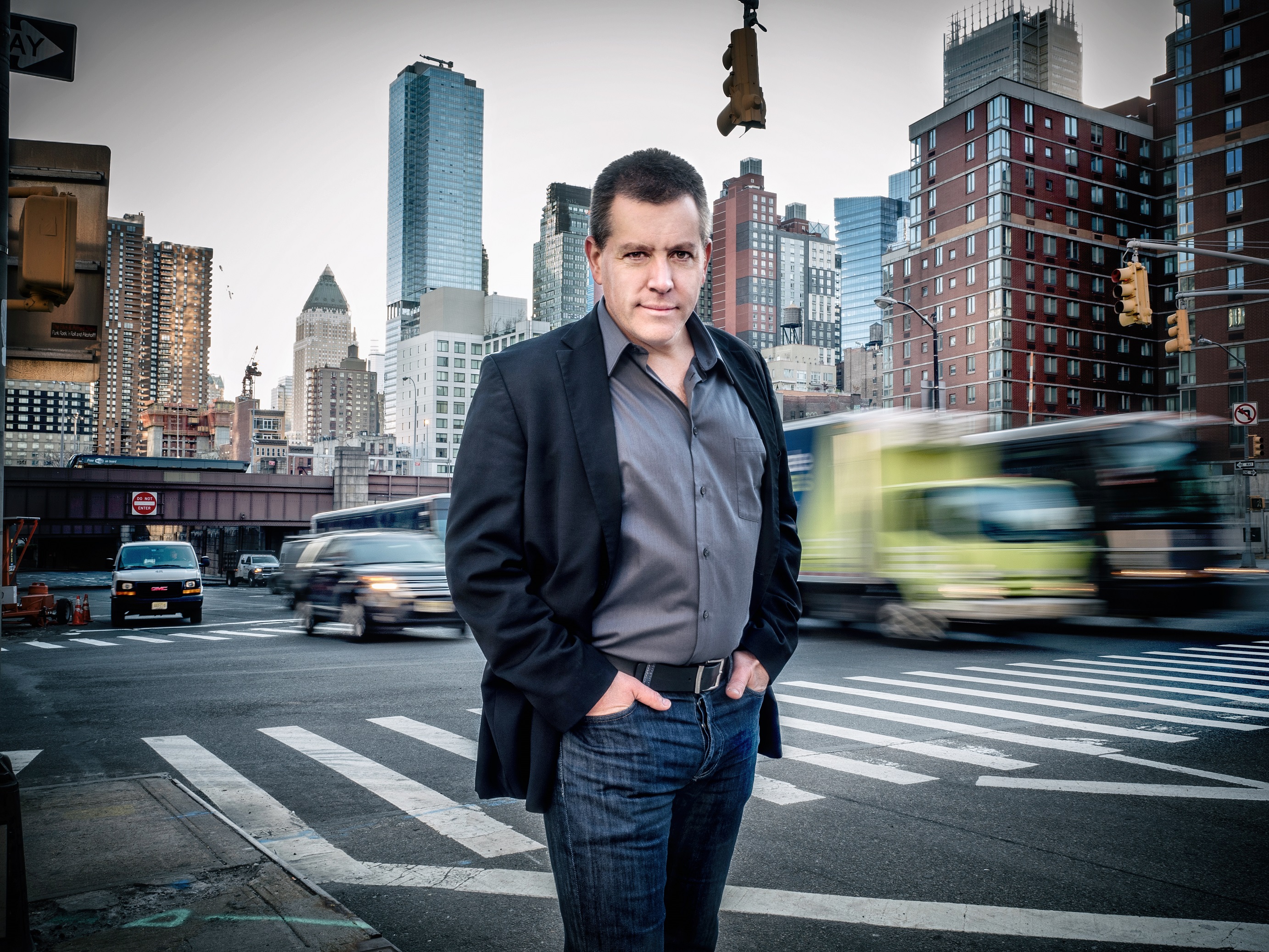
Photo Credit: Peter Shankman

The New York Times and others have quoted Shankman in advice and “how I got here” stories like this one on how to best work with journalists.

His comments are TED-like so any business person would benefit from them. Here are 50.

  1. If you don’t write your own story, you’ll be nothing but a footnote in someone else’s.
  2. You don’t control the direction of your company. You are controlled by your customers.
  3. Find your weakness. Wrap yourself in it like an armor and it can’t be used to hurt you.
  4. Stay healthy.
  5. I’ve learned to set up certain life rules for myself which work to keep me on track. Getting up early, always exercising first thing in the morning no matter how tired I am. (and I’m usually doing it at 4am), and eating as healthy as possible.
  6. If you’re the smartest person in the room, you’re in the wrong room.
  7. While others are looking for fire, spend your time and energy looking for wood that’s yet to burn.
  8. Contact people at the time of day that they prefer.
  9. Two things happen when you’re nice. Number one is that people remember you.
  10. Get together with people in the way that they prefer. With Peter Shankman it might be running in NYC at 6 AM.
  11. What matters to customers, regardless of their economic background or expectation, regardless of whether you’re a corner deli or a 7-star resort…is the same thing that’s always mattered: TRUST.
  12. Being willing to try new things — I’ve started and sold three companies with nothing more than the experience I gained from the last one.
  13. Keep an eye on your friends’ mental health. (He mentioned in a public relations group event that, sadly, two of his entrepreneur friends committed suicide.)
  14. Dopamine comes from good experiences. It’s why I sky dive; it’s why I do Ironman triathlons.
  15. Hire good people.
  16. Allow your employees to work in the way that they can perform at their best.
  17. If you are ADHD working at home works well.
  18. Tell great stories.
  19. Be authentic when you answer a journalist.
  20. Don’t B.S. when you give comment for a news story.
  21. Listen to everyone but be keenly aware of whose advice you take. Be brilliant at the basics. That’s all you need to succeed.
  22. The entrepreneur economy is bigger than ever.
  23. Ease of use and video are two huge factors that are going to move the needle for communicators in the modern world.
  24. Understanding your audience is more important than ever.
  25. Understanding your clients and employees is key.
  26. Your audience is more important than ever before.
  27. Trust is the biggest thing that leads to purchase.
  28. Answer fast, like in 10 minutes if responding to a HARO, Help a Reporter Out, a company that he founded.
  29. You have to know your audience. That is a major key to getting social media right.
  30. Find the best time to call people, for example, that might be 4 AM for me right now.
  31. Be slightly better than the norm.
  32. We can earn and work from anywhere (now.)
  33. Little moments equal massive effect.
  34. The little things you do add up quickly.
  35. Doing little things is the basis for any improvement you ever hope to have.
  36. You can’t make anything viral but you can make it good.
  37. I wasn’t just managing my ADHD. I was using it to my advantage.
  38. There is no personal or professional anymore. There is simply your brand.
  39. Everything you do affects your brand.
  40. The pandemic has shown us that workers don’t need to be in the office every day.
  41. Be a zombie loyalist. Use great service to attract rabid fans.
  42. OH MY GOD I LOVE THIS! (In response to a cool image of him someone posted on Twitter)
  43. Be transparent, be relevant, be brief, and be top of mind.
  44. No one believes how great you are if you’re the one who has to tell them. You want your customers and your employees doing your PR for you and telling the world how great you are so you don’t have to.
  45. I don’t drink anymore because I only have two speeds — off and all the way on.
  46. I like to put 10x more help into the universe than I ask for. That’s the best way to live, I believe.
  47. Listen to your employees and let them work the way they want to work.
  48. Imposter syndrome is a real thing.
  49. Doesn’t matter how much success I’ve had, I wake up every day sure that today is the day that I’m found out to be a fraud, and when I’m not, it’s obviously because I’m not important enough for anyone to waste their time investigating me. Over and over.
  50. The majority of things I do aren’t normal but they work for me.

Here are two of Peter Shankman’s social media profiles:

LinkedIn: https://www.linkedin.com/in/petershankman/

Twitter: @PeterShankman

###

Michelle McIntyre, a PR consultant and IBM vet, runs her own consulting practice and works for Aircover Communications. @FromMichelle on Twitter

7 Pieces of PR Advice from an Iconic Tech Journalist

Today at an event attended by public relations professionals, iconic technology journalist and Author Brad Stone gave advice on pitching Bloomberg News. He manages a team of journalists there. 

He also just published a book called Amazon Unbound: Jeff Bezos and the Invention of a Global Empire. 

He added that previously Bloomberg focused only on public companies; that has changed.

He was asked by the event moderator if he missed in-person events like conferences. He said yes, he has, and not having them has been a challenge. For example, he misses hallway conversations.

Here are seven tips he offered when pitching Bloomberg:

  1. Be persistent.
  2. Offer something interesting and impactful that a reporter doesn’t already know. 
  3. Don’t be sensitive about hard questions.
  4. Finding the right reporter is key.
  5. Don’t try too hard when you know you don’t have the goods.
  6. Don’t sell too hard.
  7. Sometimes a pitch is successful just by chance.


In summary, please keep these tips in mind and simply think before you shoot an email off to Bloomberg. You might be surprised at what you accomplish if your timing and message is well thought out. 

On a final note, are you aware of a unique part of the Bloomberg business, the tech side? The company employs thousands of technologists who define, architect, build and deploy complete systems to fulfill the needs of financial market participants globally.

I’m a curious person by nature and when a friend who also does PR brought up Bloomberg Tech the other day I wanted to know more so I checked it out online. I used to think of Bloomberg as mostly an editorial operation. It’s not.

[The orange cup and pink notebook photo is from Canva Pro.]

###

Michelle McIntyre is a Silicon Valley PR consultant and IBM vet. @FromMichelle on Twitter. Thanks PRSA-SV team for scheduling Brad Stone as a Friday Forum speaker.